Business Model Canvas: Define Your Market Context
Understanding your external environment is essential for building a strong Business Model Canvas. In Step 2 of the BMC, UK small businesses learn to define their customer segments, analyse competitors, and interpret their market context. These elements shape your marketing strategy, strengthen your value proposition, and determine how effectively you reach and retain your target market. By mastering the right side of the canvas, SMEs gain clarity, competitive advantage, and a deeper understanding of the customers and communities they serve.

Understanding the external side of the Business Model Canvas (BMC)
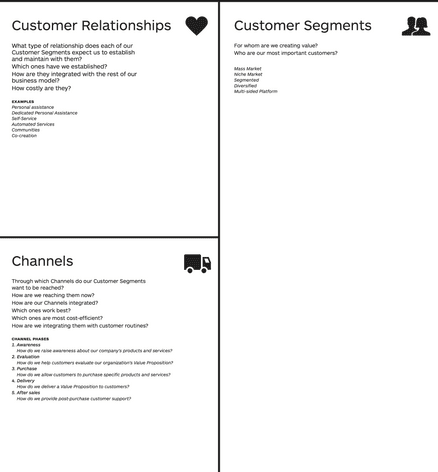
This is a crucial step for any small business building a strategic foundation. While Step 1 of the BMC focuses on internal clarity, what you offer and why it matters (https://gosme.biz/crafting-a-powerful-value-proposition-the-heart-of-your-business-model-canvas/), Step 2 forces your business to look outward. It helps you analyse your market context, identify your customer segments, understand your competitor landscape, and map out your channels and customer relationships.
This step is essential because no business operates in isolation. Your success depends on how well you understand the world around your organisation, especially if you operate in the competitive UK SME environment where customers are diverse, competitors move quickly, and market conditions shift often.
By mastering the right side of the BMC, you gain clarity on how to position your brand, how to communicate value, and how to build long-term customer loyalty.
1. Customer Segments: Identifying Who You Serve in the UK Market
The first—and arguably most important—component of Step 2 is defining customer segments. Many SMEs assume they already know their customers, but most discover, once they begin detailed segmentation work, that their assumptions were incomplete or inaccurate.
Understanding customer segments in the UK involves going beyond simple demographics. Effective segmentation considers:
• Demographic factors (age, location, income, profession)
• Psychographic factors (values, lifestyle, motivations)
• Behavioural factors (frequency of purchase, brand loyalty)
• Needs-based factors (specific problems your products and services solve)
• Community ties (especially relevant for SMEs operating in local markets)
Businesses should map out:
Primary Segments
These are the groups most likely to buy and create consistent demand for your products and services. They generate the largest portion of your revenue.
Secondary Segments
These are customers who purchase occasionally or may become a growth opportunity over time.
Emerging Segments
These are groups that may not be buying yet but align with long-term business strategy.
High Value Segments
Often a small percentage of your customer base, but they bring higher lifetime value.
Understanding these groups helps shape your marketing strategy, improve your marketing efforts, refine pricing strategy, and prioritise resources.
Why segmentation matters for SMEs in the UK
The UK market is diverse and highly segmented. Two customers may appear similar on paper but behave very differently when making a purchase decision. Without clear segmentation, you risk:
• Targeting the wrong market
• Spending on ineffective marketing channels
• Designing offers that do not resonate
• Losing market share to competitors who understand their audience better
Furthermore, segmentation directly influences product development. When SMEs tailor their products and services to clearly defined segments, they innovate with purpose rather than guesswork.
2. Understanding Your Market Context: The Landscape Around You
Once you know who you serve, the next step is to define your market context. This means understanding the environment in which your business operates.
Market context includes:
• Industry structure and trends
• Economic conditions
• Local community behaviours
• Regulatory changes
• Digital technology adoption
• Customer expectations
• Competitor movements
• Overall demand and supply balance
Understanding market context helps small businesses make informed decisions about product development, market segmentation, brand positioning, and long-term strategy.
Key elements of market context analysis:
1. Market Size and Demand
Is your target market expanding, contracting, or saturating? This affects how aggressively you should invest in marketing or innovation.
2. Cultural and Community Behaviours
SMEs rooted in UK communities must understand local values, buying habits, and trust patterns.
3. Economic Landscape
Inflation, interest rates, and consumer confidence shape how customers spend.
4. Regulatory Factors
Licensing, compliance, and industry-specific rules influence market entry and growth.
5. Customer Expectations
Modern consumers expect speed, transparency, quality, and convenience. SMEs must align their marketing strategy and customer support with these expectations.
6. Digital Competition
With online search engines shaping buying decisions, businesses must consider how visible they are relative to competitors websites.
Market context is dynamic. SMEs who revisit this analysis regularly position themselves to adapt faster, innovate earlier, and grow more sustainably.
3. Channels: How You Deliver Value and Communicate With Customers
Once you know your customers, the next step is defining your channels—the methods through which customers discover, engage with, purchase from, and remain loyal to your brand.
The Customer Journey:
Channels support each stage:
1. Awareness – How your target audience first learns about you
2. Consideration – How they evaluate your products and services
3. Purchase – How they complete the transaction
4. Delivery – How they receive the product or service
5. After-Sales Support – How you provide ongoing customer support
Channels commonly used by UK SMEs include:
• Social media platforms
• Word-of-mouth and referrals
• Community events and partnerships
• Local networks and business communities
• Industry-specific marketplaces
• Online profiles and directories
• Search engines
• Email marketing
• Your own website
For small businesses, channels are not simply about marketing—they are about delivering value. A strong channel strategy improves customer loyalty, reduces friction, and increases long-term retention.
This is where GoSME plays a unique role. When SMEs create a profile on GoSME, they gain access not only to online visibility but also to a community-driven channel that supports brand credibility and discovery.
4. Customer Relationships: How Trust Is Built and Maintained
Customer relationships form the final component of the external side of the BMC. This determines how you interact with customers before, during, and after the sale.
Relationship types include:
• Digital and automated communication
• Long-term partnership-style relationships
• Community-driven trust models
• High-touch service relationships
• Self-service platforms
Why customer relationships matter:
• They increase customer loyalty
• They reduce customer acquisition costs
• They strengthen brand reputation
• They encourage word-of-mouth referrals
• They stabilise revenue during uncertain market conditions
• They improve your understanding of customer needs for better product development
Customer relationships also play a major role in competitive advantage. When customers trust your brand, they become long-term advocates, even in saturated markets.
GoSME helps SMEs strengthen these relationships by creating a sense of belonging within a larger business community—where advice, support, and visibility flow naturally.
Market Context Defines Strategy
Step 2 of the Business Model Canvas is more than a theoretical exercise. It shapes the foundations of your business strategy, guiding how you position your brand, communicate your value, and build meaningful customer relationships.
When small businesses:
• Understand customer segments UK
• Analyse their market context
• Build strong channels
• Invest in long-term relationships
…they become more trusted, more visible, and more attractive to both customers and investors.
If you want support defining your market context or mapping your BMC, you can build your profile at:
👉 https://gosme.biz/businessbrands
Let the community support your growth and help make your business visible to the right audience.

Crafting a Powerful Value Proposition: The Heart of Your Business Model Canvas
Learn how to create a winning business model canvas value proposition that speaks to both logic and emotion. Discover proven frameworks, real-world value proposition examples, and why emotional triggers drive SME growth strategy.

Why Every SME Needs a Business Model Canvas (BMC) — and How It Helps You Write a Powerful Business Plan
If you're looking for a free business plan template, searching for business plan examples, or simply wondering how to write a business plan that actually attracts investors — you’re in the right place. The truth is, before you dive into any business plan template UK-style or download a free business plan format, it’s important to get your thinking structured. That’s where the Business Model Canvas (BMC) comes in.