
How to Build a Business That Runs Without You
Want a business that can grow without your constant involvement? Learn how UK SMEs can build systems, structure, and scalable assets that reduce founder dependency.

Introduction
Many entrepreneurs start a business for freedom. Freedom to choose their clients. Freedom to control their schedule. Freedom to build something of their own. Yet somewhere along the journey, many discover an uncomfortable truth. They have not built freedom. They have built a job.

The business depends on them for:
The founder becomes the most important person in the business. Ironically, they also become the biggest obstacle to its growth. The businesses that achieve lasting success are not the ones with the hardest-working founders. They are the ones designed to operate without constant founder involvement.
The Founder Dependency Problem
Founder dependency occurs when the business cannot function effectively without the founder's direct participation. This often appears in subtle ways:
At first, this may seem like a sign of leadership. In reality, it creates fragility. The business becomes vulnerable to illness, burnout, holidays, retirement, or unexpected change.
Why Most SMEs Struggle to Escape It
Many founders recognise the problem. Few solve it. This is because founder dependency often develops from strengths.
High Standards
Founders care deeply about quality. They fear that others will not meet the same standards.
Speed
It often feels faster to do the work yourself than explain it to someone else.
Trust
Clients trust the founder. Delegating customer-facing responsibilities can feel risky.
Identity
Many founders become closely associated with the business. Stepping back can feel like losing part of themselves. These concerns are understandable. But they also prevent growth.
The Difference Between a Business and a Self-Employed Job
A useful question is:
If you disappeared for three months, would the business continue to operate? For many SMEs, the answer is no. This highlights the difference between:
A Self-Employed Job
The owner performs the critical work. Revenue depends directly on their effort.
A Business Asset
Systems, processes, and people deliver value consistently. Revenue is not entirely dependent on one individual. The goal is not to remove the founder. The goal is to ensure the business can function without constant founder involvement.
The Three Foundations of a Self-Sustaining Business
Businesses that run independently tend to share three characteristics.
1. Clear Systems
Every important process is documented. Examples include:
Consistency comes from systems, not memory.
2. Strong Brand Identity
The business stands on its own reputation. Customers trust the company, not just the founder. This makes growth easier and creates long-term value.
3. Transferable Knowledge
Knowledge is shared across the organisation. It is not locked inside one person's head. When expertise becomes accessible, the business becomes resilient.
Building Systems That Scale
Many SMEs assume systems are only for large corporations. In reality, small businesses benefit the most. Start with repetitive activities.
Ask:
These are ideal candidates for systemisation.
Document:
Over time, these documents become operational assets.
Turn Expertise into Intellectual Property
One of the most overlooked opportunities for SMEs is converting expertise into intellectual property. Most businesses already possess valuable knowledge. The problem is that it remains informal.
Examples include:
Once documented and structured, these become assets.
They can be:
This is how expertise evolves into a compounding digital asset.
Build a Team That Supports Independence
A business cannot run without you if nobody else has authority. Many founders unintentionally create bottlenecks by insisting on approving every decision. Instead:
Define Responsibilities Clearly
People should know:
Create Decision Frameworks
Rather than solving every problem personally, create guidelines for common situations.
Reward Initiative
Encourage team members to take ownership. This strengthens confidence and reduces dependency.
Strengthen the Brand Beyond the Founder
Customers often connect strongly with founders. That is not necessarily a problem. The risk arises when customers only trust the founder.
To reduce this dependency:
Over time, trust shifts from the individual to the organisation.
Why Investors Prefer System-Driven Businesses
Investors are rarely investing in a person's work ethic. They are investing in scalable value. Businesses that run independently are more attractive because they:
A founder-dependent business may generate revenue. A system-driven business creates enterprise value. This distinction matters enormously when seeking investment, partnerships, or succession opportunities.
The Link to Compounding Digital Assets
A business that runs without you is not built by accident. It is built through intentional asset creation. Compounding digital assets include:
These assets continue generating value even when the founder is not directly involved. This is what creates long-term scalability. It is also what creates freedom.
Common Warning Signs
You may have a founder dependency problem if:
Recognising these signs is the first step toward solving them.
Conclusion
Building a business that runs without you does not mean making yourself irrelevant. It means making the business resilient. The founder's role should evolve from operator to architect. Instead of being responsible for every task, you become responsible for creating systems, structure, and direction. Businesses that achieve this transition are stronger, more scalable, and more valuable. Most importantly, they give founders the freedom they originally set out to achieve.
If your business cannot operate without you, the solution is not to work harder.
The solution is to build systems that reduce dependency and increase value.
At GoSME, we help SMEs identify and develop compounding digital assets, transforming founder- led operations into scalable businesses that can thrive long into the future.
👉 Start by contacting Our Services today.
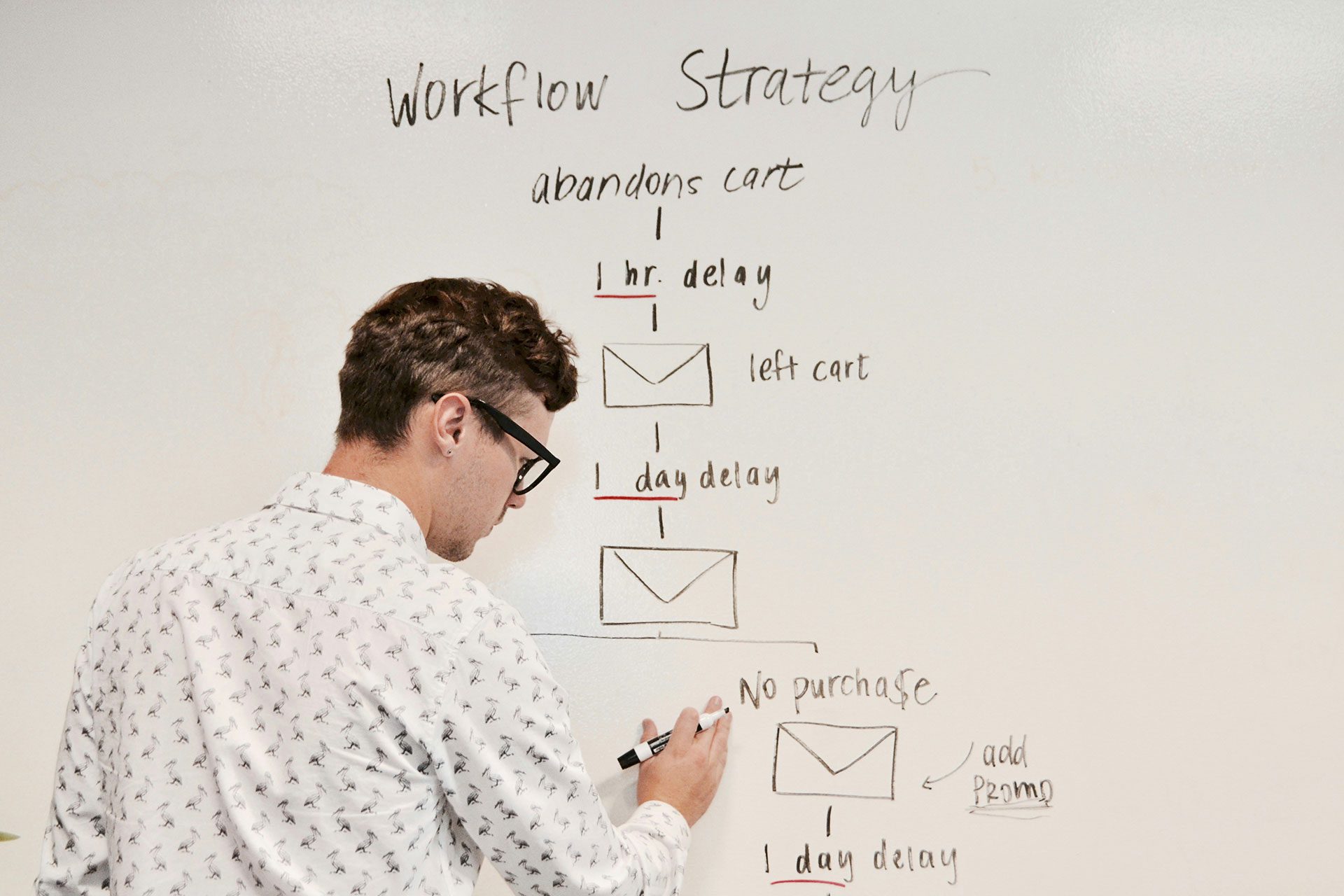

The Hidden Cost of Founder-Led Businesses (And How to Escape It)
Founder-led businesses can grow quickly in the early stages, but they often come with hidden costs that limit long-term success. This article explores how dependence on the founder creates bottlenecks, burnout, and reduced business value.
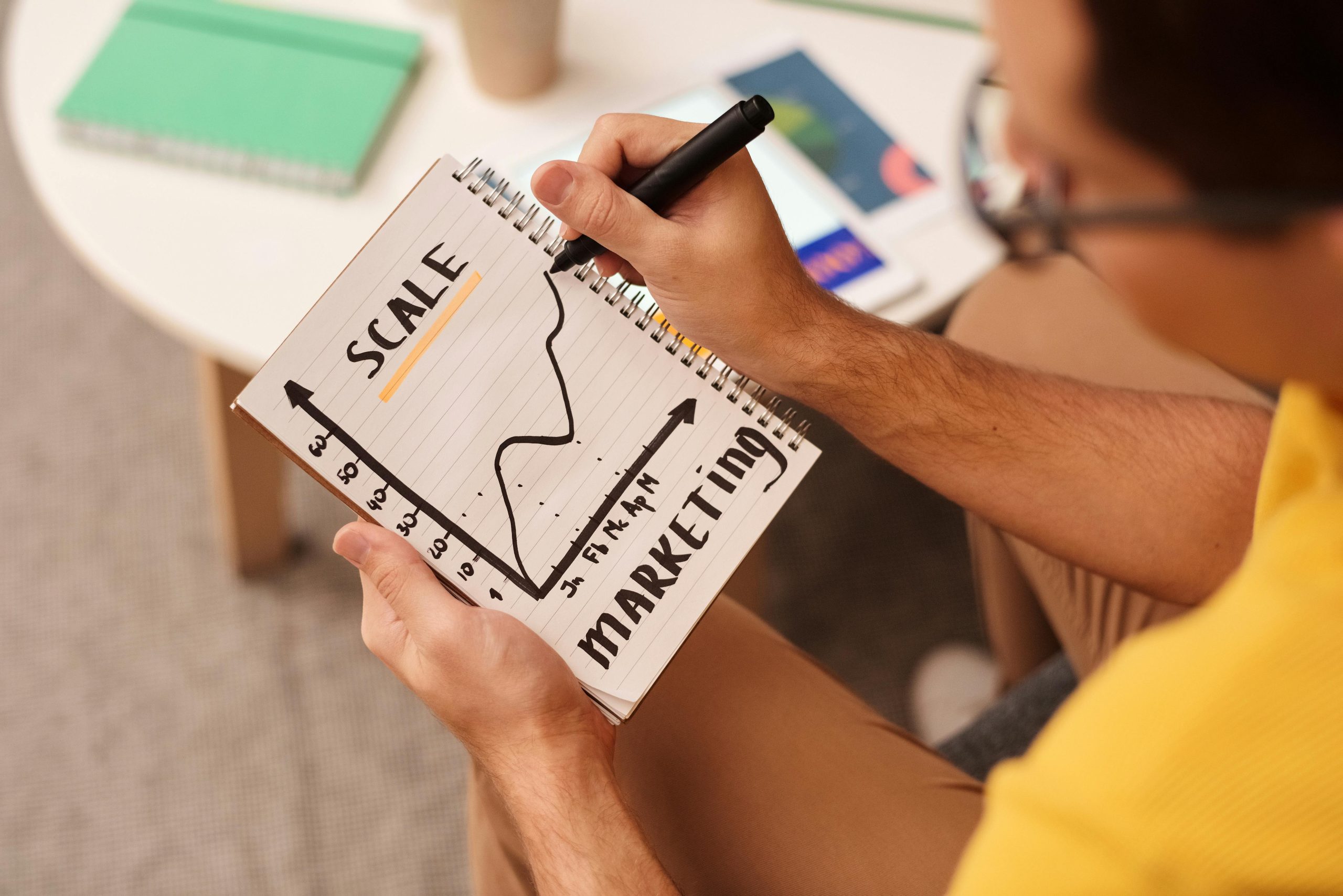
The Rise of Compounding Digital Assets: Beyond Personal Brands
Most SMEs are built around the founder, which limits growth, increases burnout, and reduces long-term value. This article introduces the concept of compounding digital assets, a smarter way to build businesses that scale independently through brand, systems, and intellectual property.