
The Rise of Compounding Digital Assets: Beyond Personal Brands
Most SMEs are built around the founder, which limits growth, increases burnout, and reduces long-term value. This article introduces the concept of compounding digital assets, a smarter way to build businesses that scale independently through brand, systems, and intellectual property. Instead of relying on personal effort, these assets grow over time, unlock new revenue streams, and create businesses that can operate, transfer, and thrive without constant founder involvement.
Introduction
For years, small businesses have been told to build personal brands. Show your face. Tell your story. Be the voice of your company. It works. Until it doesn’t. At some point, growth slows. The business becomes tied to the founder. Every decision, every sale, every opportunity flows through one person. This is where many SMEs hit an invisible ceiling. A new shift is emerging. It is not about hiding behind a “faceless” brand. It is about building something far more powerful.
It is about creating compounding digital assets.
What Are Compounding Digital Assets?
A compounding digital asset is a business asset that increases in value over time without being dependent on a single individual.
It is built on:
• brand identity
• intellectual property
• systems and processes
• community and trust
Unlike traditional businesses that rely heavily on the founder, these assets are designed to scale independently.
They continue to grow even when the founder steps back.
Why Personal Brands Don’t Scale Forever
Personal brands are powerful at the start. They build trust quickly. They humanise the business. They create early traction.
But they come with structural limitations:
1. Growth Bottlenecks
The business cannot grow faster than the founder’s time and energy.
2. Burnout Risk
The founder becomes the engine of everything. This creates pressure and fatigue.
3. Limited Transferability
A business tied to a personality is difficult to sell, license, or pass on.
4. Fragile Value
If the founder exits, the value of the business can drop significantly.
This is why many SMEs struggle to move from survival to scale.
Compounding vs Traditional Digital Assets
Most people are familiar with digital assets such as:
• social media accounts
• websites
• content libraries
However, not all digital assets compound. A social media account that depends on one person does not scale in the same way as a structured brand system. A compounding digital asset has three defining characteristics:
1. It Is Transferable
The asset can operate without the original creator.
2. It Is Systemised
Processes, messaging, and delivery are documented and repeatable.
3. It Generates Expanding Value
It opens new revenue streams such as licensing, partnerships, and investment.
The Power of Intellectual Property
At the core of every compounding digital asset is intellectual property.
This includes:
• brand frameworks
• proprietary processes
• unique methodologies
• structured service systems
Intellectual property transforms a business from a service provider into a scalable entity. Instead of selling time, the business begins to sell systems. Instead of competing on price, it competes on value. For SMEs in commoditised industries, this shift is critical.
From Effort-Based Growth to Asset-Based Growth
Most small businesses operate on effort-based growth. More work leads to more revenue. Less work leads to less revenue. Compounding digital assets change this dynamic. They allow businesses to move towards asset-based growth.
This means:
• revenue is not directly tied to hours worked
• value continues to grow over time
• opportunities expand beyond the founder
Examples include:
• licensing a brand system to multiple operators
• turning a service into a repeatable framework
• building a community that drives ongoing demand
Why This Matters for UK SMEs in 2026
The business landscape is changing rapidly. AI tools are lowering barriers to entry. Services are becoming commoditised. Competition is increasing. In this environment, businesses that rely purely on execution will struggle. Compounding digital assets offer a different path.
They allow SMEs to:
• differentiate beyond price
• build long-term brand equity
• attract investors and partners
• create sustainable growth
Most importantly, they reduce dependence on the founder.
Compounding Digital Assets vs Faceless Businesses
There is growing interest in “faceless” businesses. The idea is simple. Remove the individual and let the system run. While this sounds similar, there is a key difference. Faceless businesses focus on removing identity. Compounding digital assets focus on building transferable value. A faceless business can still lack depth. It may rely on trends or short-term tactics. A compounding digital asset is built intentionally. It is structured, protected, and designed to grow over time. It is not about hiding the person. It is about removing dependency.
Building Your First Compounding Digital Asset
For SMEs, the starting point is not complex.
It begins with a shift in thinking.
Step 1: Define Your Core Value
What do you do that can be systemised and repeated?
Step 2: Document Your Process
Turn your expertise into a structured framework.
Step 3: Build a Brand Around It
Create identity, positioning, and messaging that stand independently.
Step 4: Protect It
Consider trademarks, contracts, and legal structures.
Step 5: Scale It
Explore licensing, partnerships, and community-driven growth.
This is how a business moves from being founder-led to asset-led.
The Future of Business Is Transferable
The most valuable businesses are not the ones that work the hardest. They are the ones that can operate, grow, and transfer without friction. This is what investors look for. This is what creates long-term value. For SMEs, this is no longer optional. It is a strategic necessity. The era of building businesses around individuals is evolving. Personal brands will always have a role. They create connection and trust. But they should not be the foundation of the business. The future belongs to businesses that can stand on their own.
Businesses that grow without constant input. Businesses that compound.
If you are building a business today, ask yourself: Is your business dependent on you, or is it designed to grow without you? At GoSME, we help SMEs identify and structure their compounding digital assets, turning everyday businesses into scalable, investment-ready brands.
👉 Start by profiling your business and discovering where your true asset value lies.
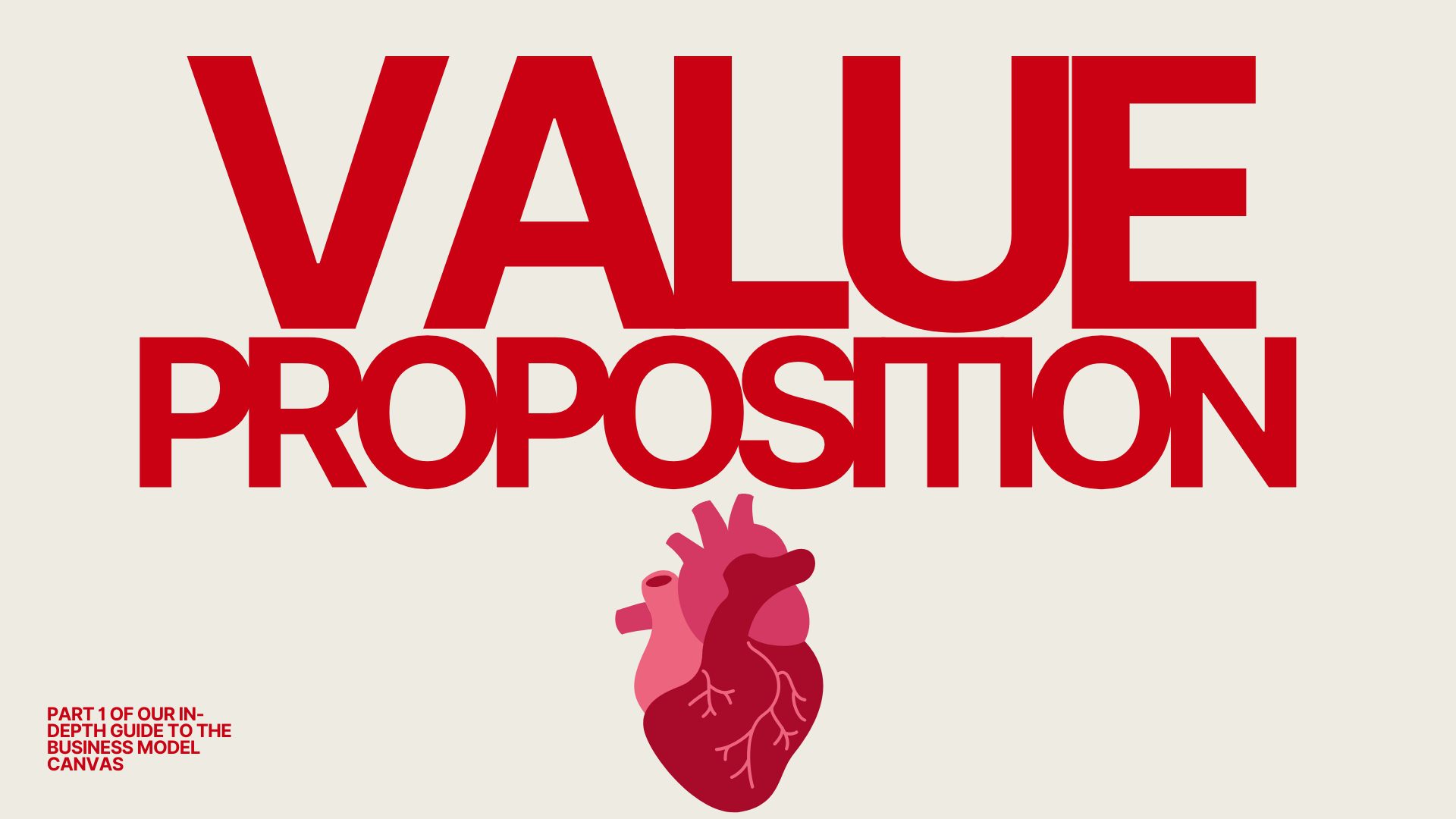
Crafting a Powerful Value Proposition: The Heart of Your Business Model Canvas
Learn how to create a winning business model canvas value proposition that speaks to both logic and emotion. Discover proven frameworks, real-world value proposition examples, and why emotional triggers drive SME growth strategy.

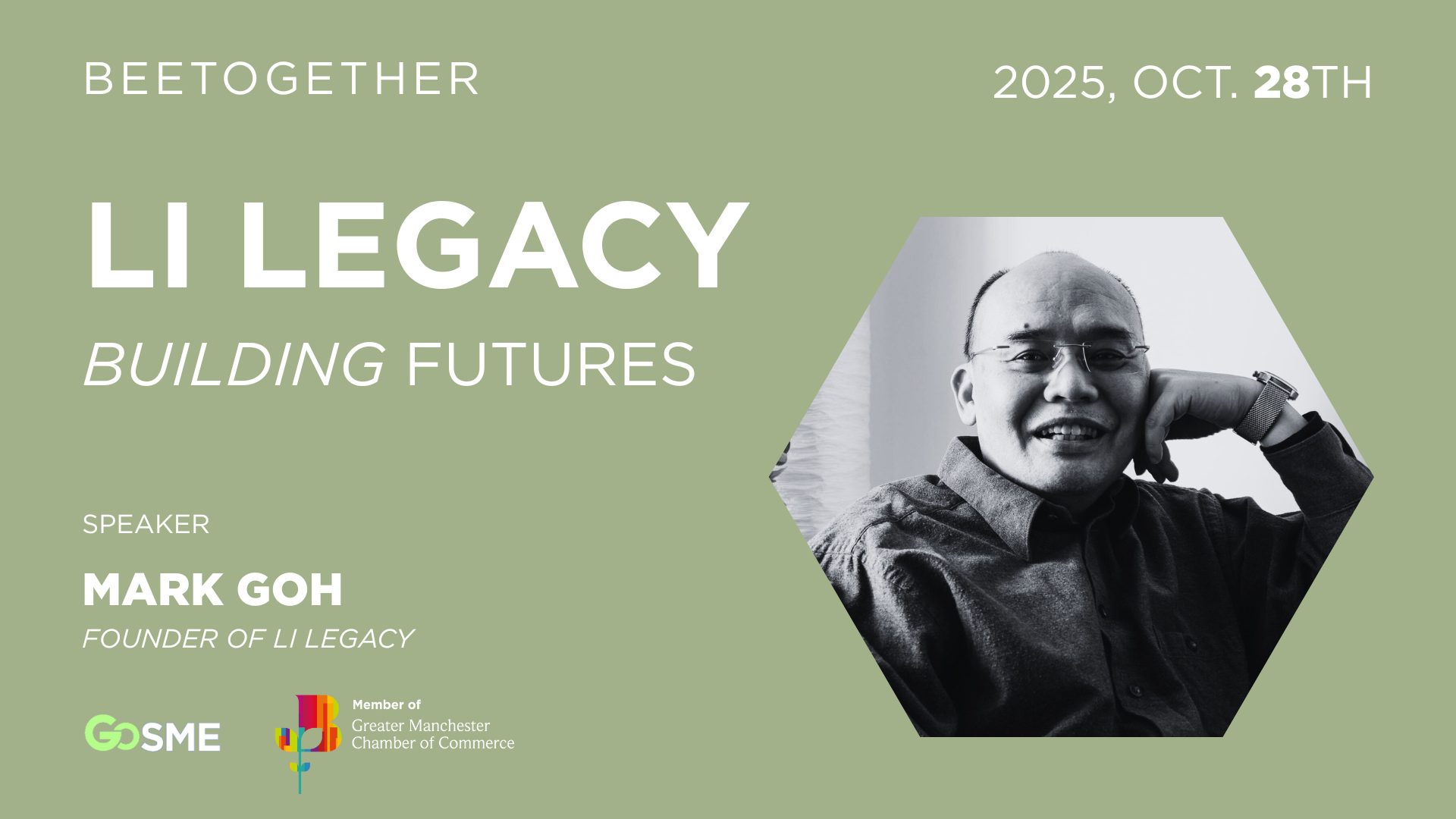
How SMEs Become Investible: Mark Goh at the GoSME x BeeTogether Event
The future of investment isn’t in giants — it’s in micro and small businesses rooted in real communities. At the GoSME x BeeTogether event, Mark Goh, COO of Li Legacy Holdings (USD 80M AUM), shares why the world’s most overlooked businesses form the greatest blue-ocean opportunity. From a 50 sq ft one-man law firm in Chinatown to being entrusted with USD 1M by billionaire Idan Ofer, Mark dismantles a common myth: Advertising is lazy branding. Real branding is community trust. This belief defines Li Legacy’s investment philosophy.