
Why Personal Brands Don’t Scale (And What to Build Instead)
Personal branding can help SMEs gain visibility quickly, but it often creates a ceiling for long-term growth. This article explains why founder-led businesses struggle to scale and introduces compounding digital assets as a more sustainable alternative. By shifting from personality-driven growth to structured, transferable systems, SMEs can build businesses that operate independently, generate long-term value, and unlock new opportunities.

Introduction
“Build your personal brand.” It has become the default advice for entrepreneurs. Post more content. Show your face. Tell your story. Be everywhere. And it works. At least in the beginning.
But there is a problem that few people talk about. Personal brands are not designed to scale.
They are designed to attract attention, not to build transferable value. If you are serious about growing a business that lasts, this distinction matters.

The Hidden Ceiling of Personal Branding
Personal branding creates momentum quickly. It helps SMEs:
But over time, the same strengths become limitations.
1. You Become the Bottleneck
Every opportunity flows through you. Clients want you. Content depends on you. Decisions require you. Growth slows because the business cannot move faster than your capacity.
2. Your Time Becomes the Product
Even if you scale your audience, your time remains finite. You may charge higher prices, but the structure stays the same. You are still exchanging time for value.
3. The Business Becomes Fragile
What happens if you step away? If the brand is built around your personality, the business loses its core identity. This makes it difficult to:
4. You Carry the Emotional Load
A personal brand is not just a business asset. It is tied to your identity. This creates pressure:
Over time, this leads to fatigue.
Why This Model Became Popular
To understand why personal branding dominates, you need to look at the digital landscape. Social media platforms reward:
This creates a system where visibility is tied to personality. For early-stage businesses, this is useful. But it does not automatically translate into a scalable business model.
The Illusion of Scale
Many personal brands appear scalable. Large audiences. High engagement. Strong recognition. But behind the scenes, the structure often remains the same. Revenue still depends on:
This is not true scale. It is amplified effort.
What to Build Instead: Compounding Digital Assets
If personal branding is the starting point, what comes next? The answer is to shift from person-led growth to asset-led growth. This is where compounding digital assets come in. These are assets that:
They are built on:
From Personality to Property
The key shift is simple: Move from personality to property.
Instead of asking: “How can I grow my audience?”
Ask: “How can I build something that exists beyond me?”
This changes how you approach your business.
Example 1: Service-Based SME
A consultant builds a personal brand and attracts clients.
To scale, they:
Now the business is no longer dependent on one person.
Example 2: Creative Business
A designer gains attention through personal content.
To scale, they:
The value shifts from individual output to structured IP.
The Role of Systems
Without systems, there is no scale. Compounding digital assets rely on:
Systems allow:
This is what separates a business from a personal practice.
The Founder's New Role
Moving beyond personal branding does not mean disappearing. It means evolving.
The founder shifts from being the product to being the architect
Your role becomes:
This creates space for the business to grow independently.
When Personal Branding Still Makes Sense
Personal branding is not wrong. It is simply incomplete. It works best when used as:
But it should not be the foundation of the business. The foundation must be something that can stand on its own.
The Long-Term Advantage
Businesses built on compounding digital assets have clear advantages:
Most importantly, they create freedom. Freedom to step back. Freedom to expand. Freedom to transition.
The Real Goal
Personal branding can get you started. But it cannot take you all the way. If your business depends entirely on you, it will always be limited by you. The real goal is not visibility. It is building something that continues to grow without constant effort. That is the difference between building a presence and building an asset. If your business is currently built around your personal brand, the next step is not more content. It is structure.
At GoSME, we help SMEs transform founder-led businesses into compounding digital assets that scale, transfer, and grow over time.
👉 Start by identifying what in your business can be systemised, protected, and expanded with Our Services.
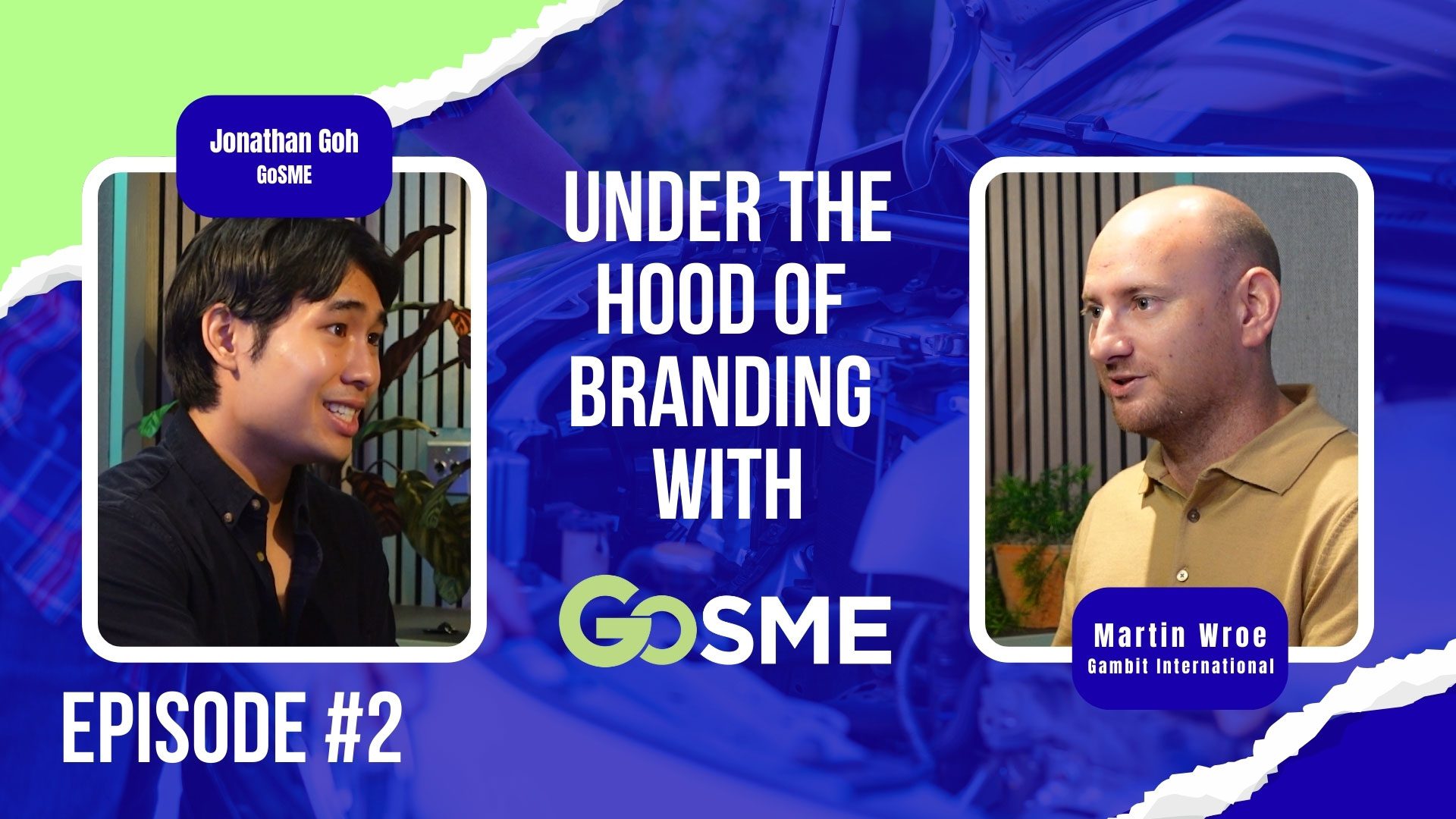
Leadership & Community (ft Martin Wroe) | Under the Hood of Branding with GoSME - Episode 2
Behind every investible brand is strong leadership and a supportive community. In this episode, we speak with Martin Wroe, Co-Founder and CCO of Gambit International, about why founders cannot grow alone. He shares how great leaders build resilient, investor-ready SMEs by surrounding themselves with capable people, using data to guide decisions, and leaning on peer networks for insight. We also explore how strong systems and back-end operations create credibility and consistency. Brand trust is built in everyday execution, not just big wins.
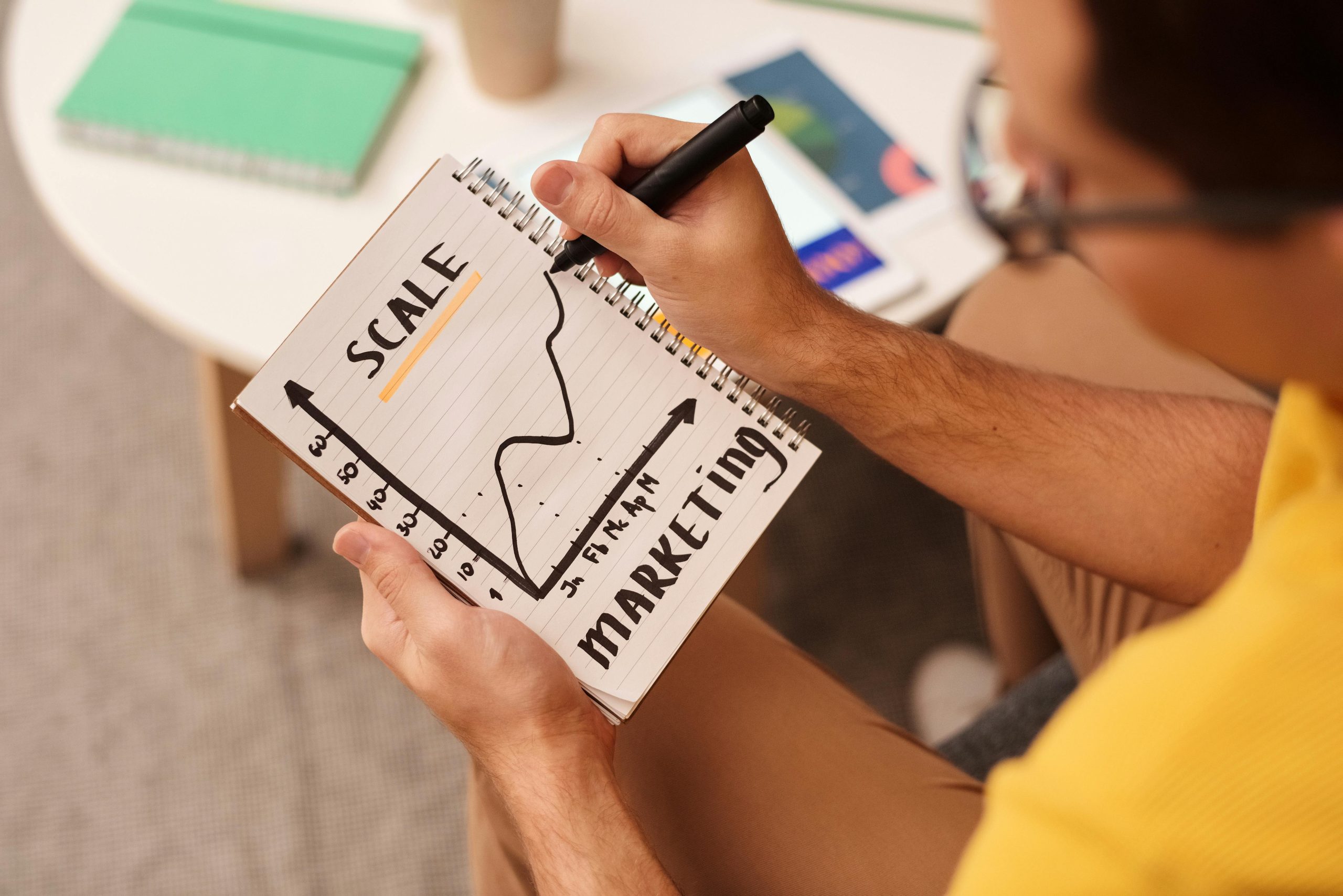
The Rise of Compounding Digital Assets: Beyond Personal Brands
Most SMEs are built around the founder, which limits growth, increases burnout, and reduces long-term value. This article introduces the concept of compounding digital assets, a smarter way to build businesses that scale independently through brand, systems, and intellectual property. Instead of relying on personal effort, these assets grow over time, unlock new revenue streams, and create businesses that can operate, transfer, and thrive without constant founder involvement.

How Legal Clarity Builds Investor Confidence
At GoSME, we help SMEs surface hidden value and turn it into investor-ready brand assets. A major part of that journey is legal clarity, because it reduces risk and makes your business easier to trust, value, and fund.
This article explains how legal clarity supports investor readiness UK and smoother SME due diligence, and why separating corporate branding from personal branding is one of the smartest moves you can make.